
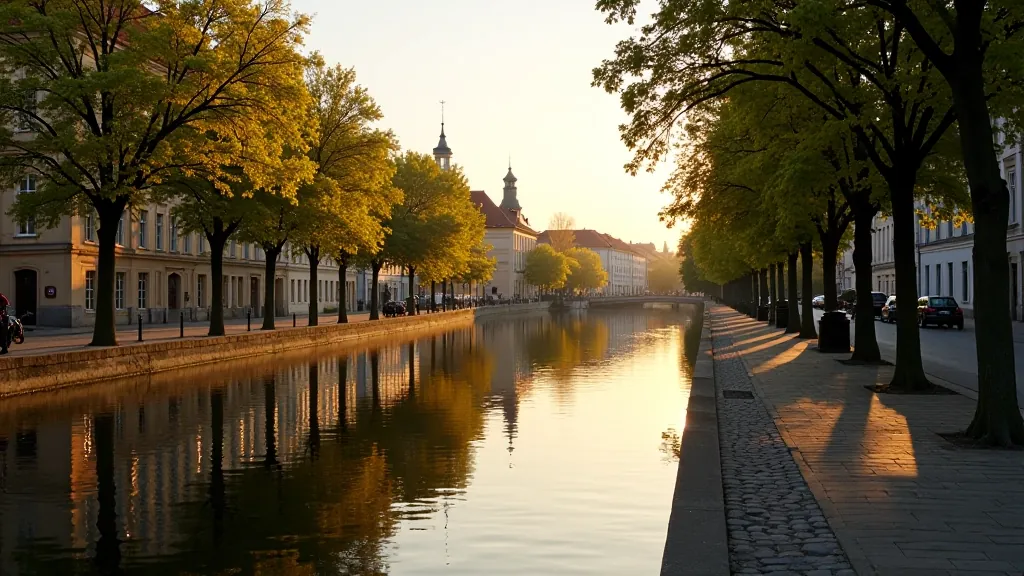
Canal Side Strolls: Finding Your Rhythm
A beginner's guide to walking the Riga Canal paths at a relaxed pace. We'll cover...
Skip the tourist crowds. We've mapped quieter routes through the medieval streets, hidden courtyards, and peaceful corners where you can really soak it in.
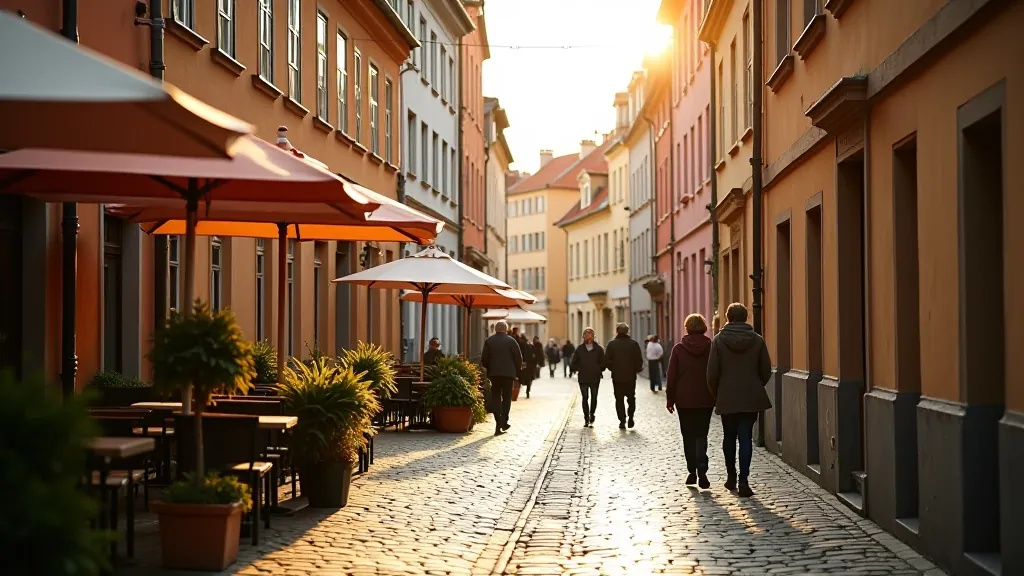

Old Town gets crowded. Most visitors follow the same three streets, stopping at the same cafés, taking the same photos. But there's a different Riga waiting if you know where to look.
The thing is, the quiet routes aren't secret — they're just overlooked. They're the narrow passages between buildings, the courtyards hidden behind unmarked doors, the side streets where locals actually walk. You'll find them scattered throughout the medieval district, and they're where the real character lives.
We've spent years mapping these routes specifically for people who want to experience Old Town at their own pace. No rushing. No crowds. Just you, the architecture, and the genuine atmosphere of a city that's been around for over 800 years.
We've marked three main quiet routes that work well for walking at a relaxed pace. Each one takes between 45 minutes and an hour, depending on how many courtyards you want to explore.
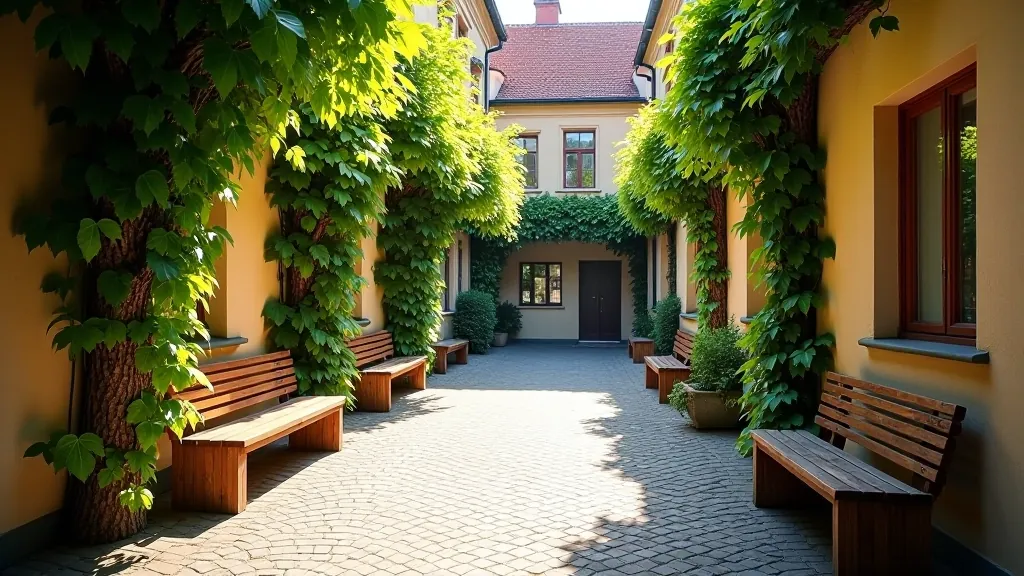
Start at Jauniela Street. Don't follow the main pedestrian flow — instead, duck into the courtyards at numbers 19, 23, and 31. They're mostly quiet, with benches tucked into corners. The walk's easy, mostly flat, and you'll see some beautiful traditional wooden buildings.
Begin at Kaļķu Street. It's wider than the other routes, which means fewer bottlenecks. The buildings here are older — you're looking at structures from the 13th century. There's a small rest area near the Artillery Bastion with a clear view across the Daugava.
Walk along the canal embankment from Kungu Street toward the bridge. It's quieter than the interior streets because fewer tourists find it. You've got water views the whole way, and the path is paved — no uneven cobblestones. Perfect for people who want to walk but not struggle with the stone streets.
It's not just about avoiding the main streets. The best quiet routes share a few specific features.
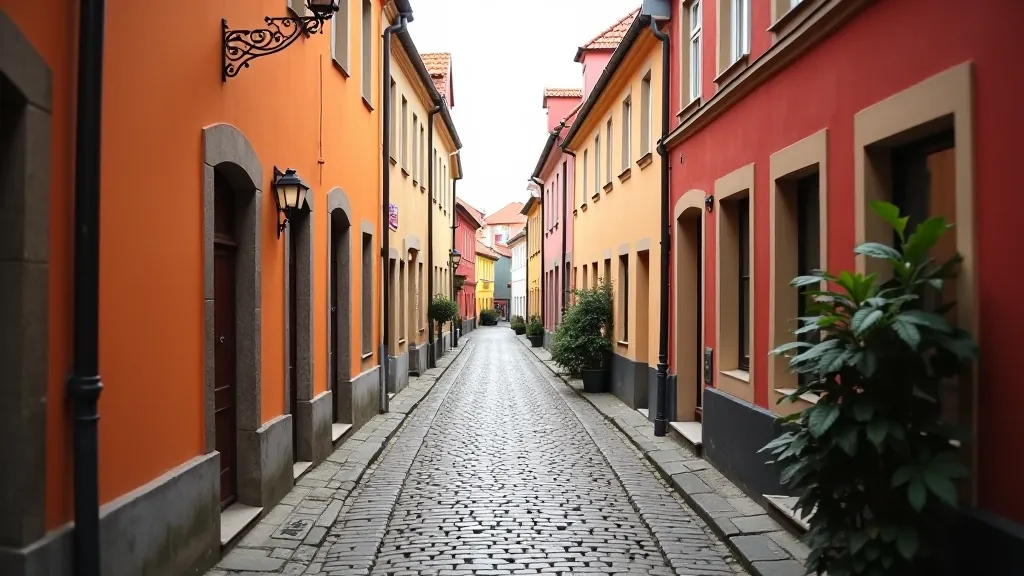
Streets under 6 meters wide don't accommodate tour groups. They're designed for local traffic, not foot traffic in bunches.
Commercial areas pull crowds. The quiet routes have residential buildings, galleries, small offices — not souvenir shops.
If you can see Kalnu Street from where you're walking, you'll eventually hit crowds. The best routes have twists and turns that isolate you from the flow.
The quiet routes have benches, courtyards, or small squares where you can pause without blocking anyone's path.
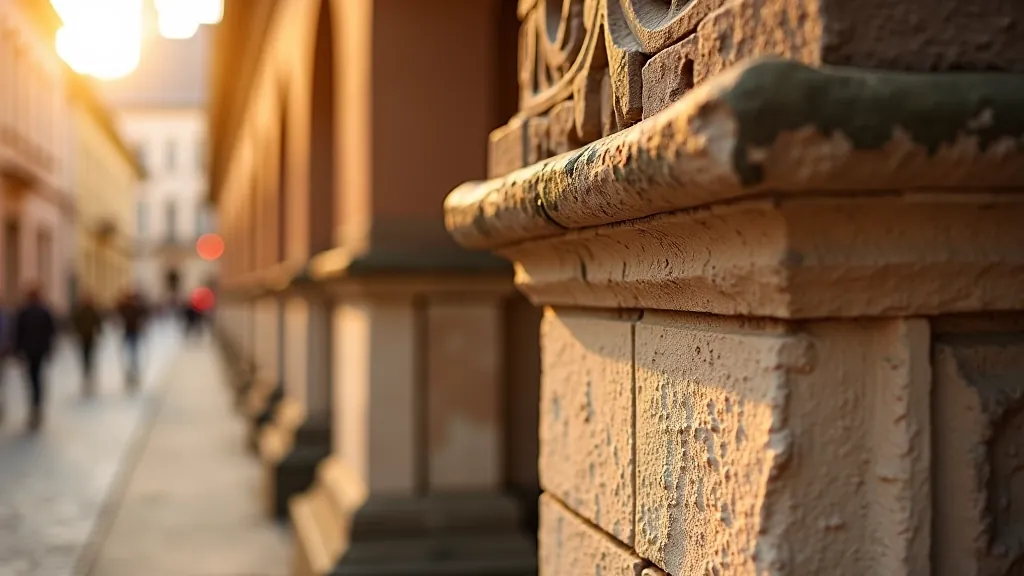
Timing matters more than most people realize. The same street can feel completely different depending on when you visit.
Locals are heading to work or running errands. You'll see actual residents using the streets. Cafés are opening up. This is the realest you'll see Old Town.
Most tour groups have moved on. Schools and offices mean fewer wanderers. The streets feel genuinely quiet. Light's usually good for photos if you want them.
Summer evenings are special — you've got soft light and a peaceful atmosphere. Fewer people on the streets. It's warm enough to walk comfortably without the midday heat.
Especially 10am-3pm. That's when cruise ship tours hit Old Town. Even the quiet routes get busy. If you want to walk weekends, go early or after 5pm.
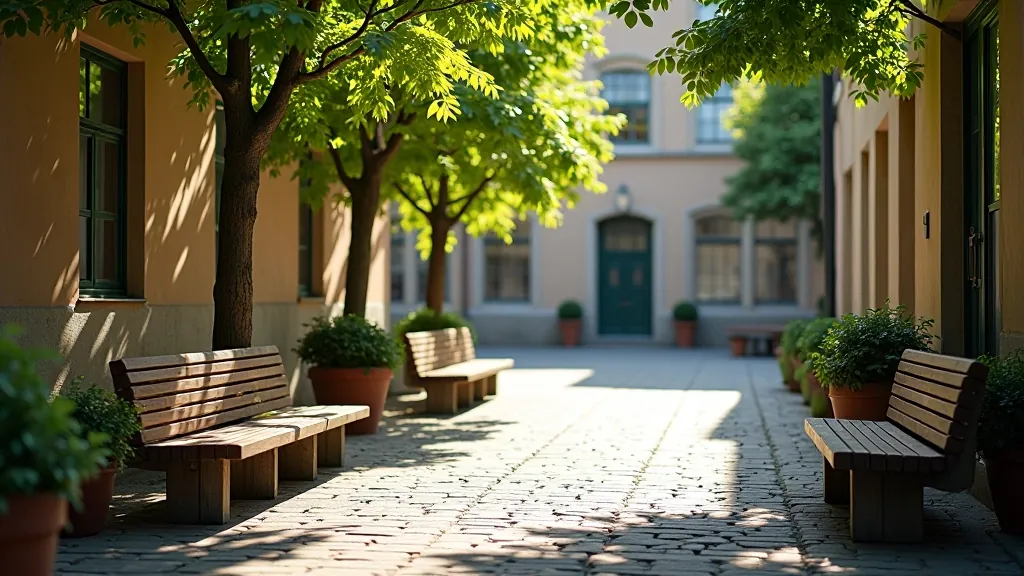
Cobblestones are beautiful but unforgiving. Your feet will thank you for supportive shoes with decent grip. The waterfront route's paved, but the interior streets demand proper footwear.
There aren't many water fountains in the quiet routes. You'll find cafés on the main streets, but if you're sticking to the side routes, carry your own. A small bottle is enough for a 45-minute walk.
Even in summer, Old Town's narrow streets stay cool because the buildings block direct sun. You'll warm up walking, but the courtyards can feel chilly in shade.
The whole point is to slow down. Spend 5-10 minutes in each courtyard you find. Sit if there's a bench. Look up at the buildings. This isn't about covering distance — it's about absorbing atmosphere.
This guide is informational and based on local knowledge and experience. Walking routes, opening times, and accessibility may change. Always check current conditions before visiting. If you have mobility concerns, test a route during daylight hours first. Weather and seasonal changes affect walking comfort — adjust your plans accordingly. For specific accessibility questions, contact Riga Tourism information centers for the latest updates.
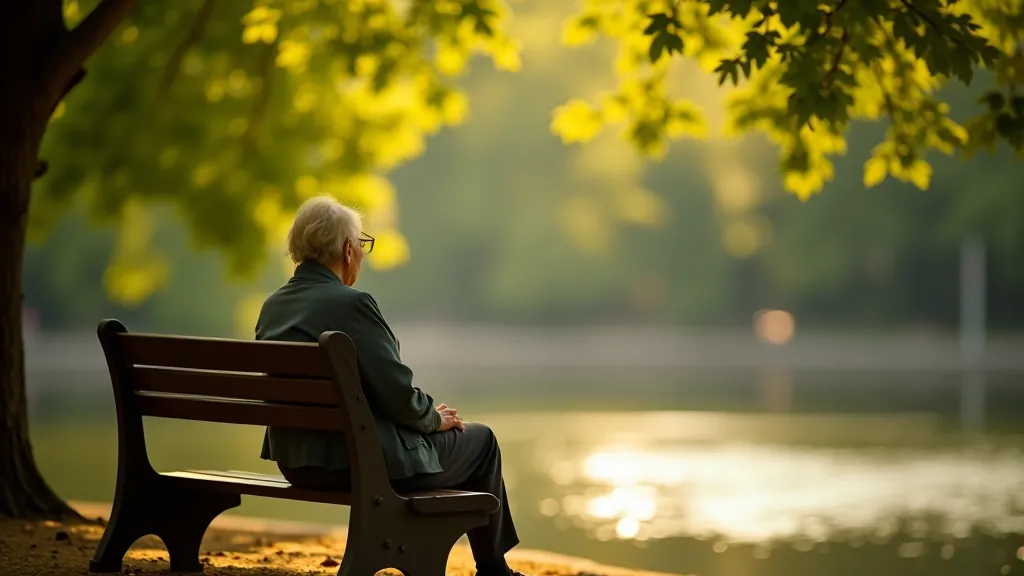

Old Town doesn't need to feel rushed or crowded. It doesn't need to be filtered through someone else's schedule or someone else's route. The quiet routes exist because locals have walked them for centuries, and you can walk them too.
Start with one route. Spend an afternoon or a quiet morning exploring. Sit in a courtyard. Notice the details — the carved doorways, the way light hits the stone, the sounds of the city without the tour groups. That's when Old Town actually feels like itself.
The city's been here for 800 years. It'll still be here tomorrow. There's no rush. That's the whole point.