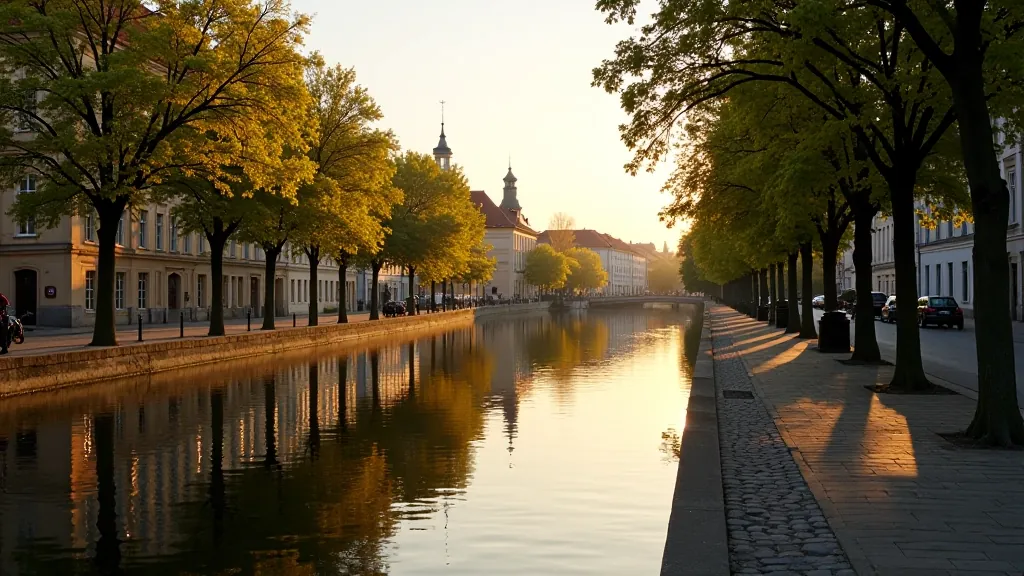
Canal Side Strolls: Finding Your Rhythm
A beginner's guide to walking the Riga Canal paths at a relaxed pace. We'll cover the best times to go and what you'll see along the way.
Walking's even better with company. Here's what we've learned about planning group walks, keeping everyone comfortable, and making it a social highlight of the week.

Walking alone is peaceful. But walking with friends? That's something else entirely. You're not just moving your legs — you're sharing stories, laughing at the same things, and genuinely looking forward to the next outing.
The social side isn't just nice to have. It's what keeps people coming back week after week. We've seen folks who weren't sure about joining a group six months ago now organizing their schedules around Tuesday and Thursday walks. They've found their people.
Group walking works because it combines physical activity with real connection. You're getting your steps in, your heart's working, your legs are getting stronger — and you're doing it alongside people who get it. No pressure, no judgment, just friends moving together at a pace that works.
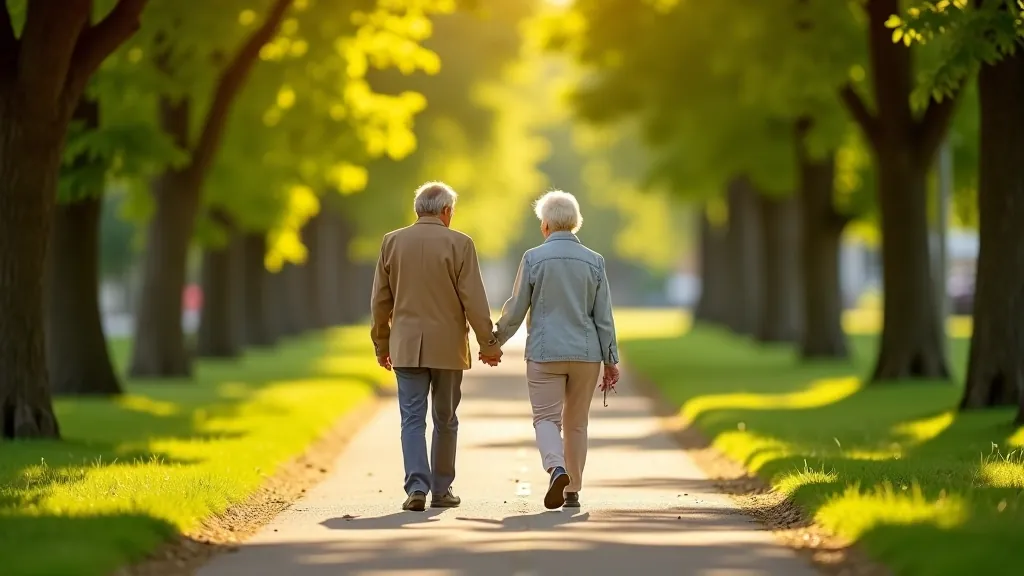
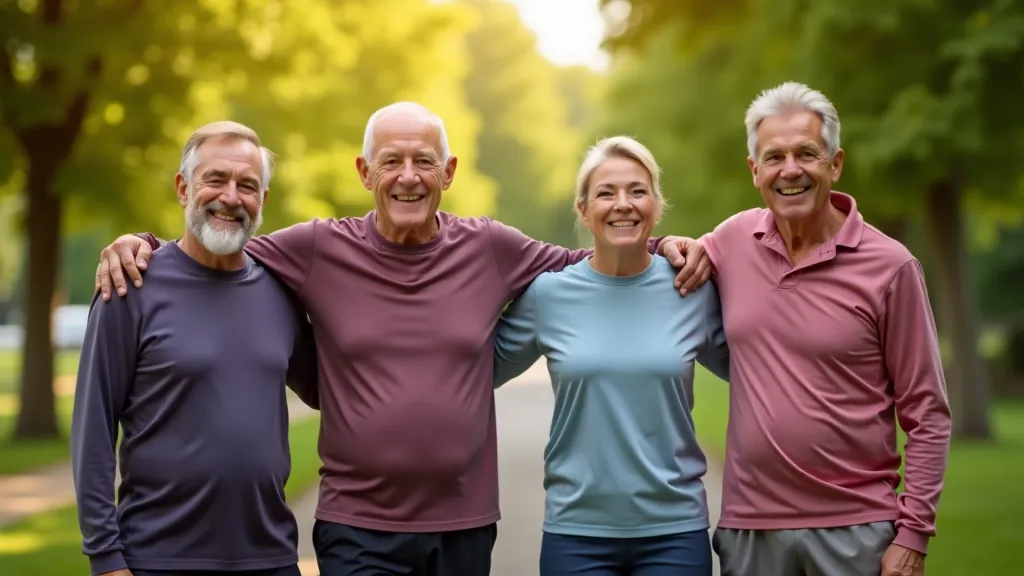
The secret to a successful group walk isn't complicated. You need three things: a route you've checked beforehand, a realistic meeting time, and clear communication about what to expect.
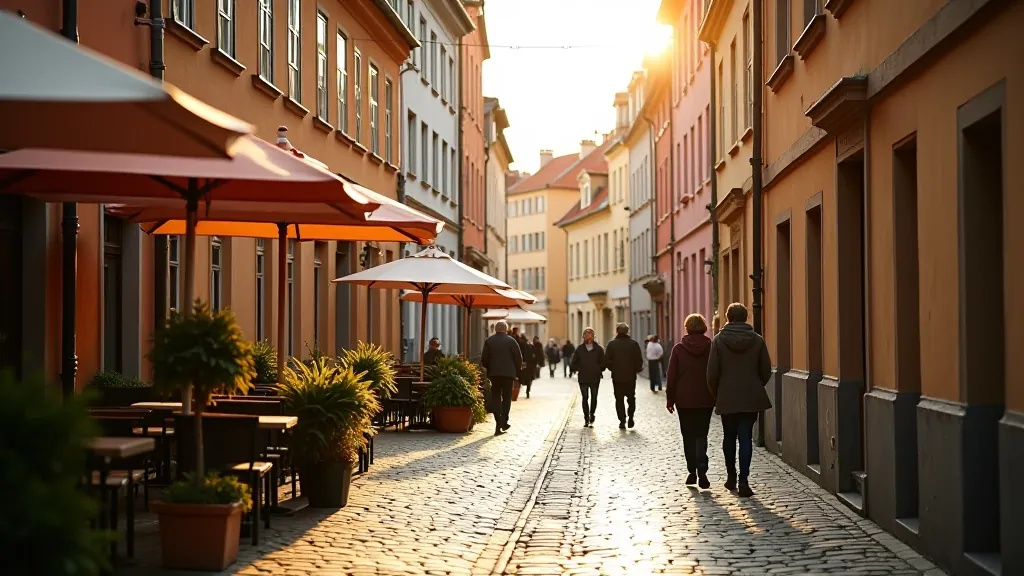
Start by picking a familiar route — maybe the Canal path from Kronvalda Park or the quieter streets of Old Town. You've walked it before, you know where the resting spots are, and you know roughly how long it takes. Don't experiment with new routes when you've got a group depending on you. That's how people get tired and disappointed.
Timing matters more than you'd think. We've found that 9:00 AM works better than 8:30 AM because people aren't rushing. A 90-minute walk is long enough to feel like real exercise but short enough that everyone's not completely exhausted. Tell people in advance: "We'll walk for about 90 minutes, we'll take a 10-minute break halfway, and we'll end at the café if anyone wants coffee."
This article provides informational guidance for planning group walks. Everyone has different fitness levels and health considerations. If you have any health concerns, consult with your doctor before starting a new walking routine. Group leaders should always be aware of participants' needs and be prepared to adjust pace or distance as needed.
Here's the thing nobody talks about: not everyone walks at the same speed, and that's completely fine. Some people move faster naturally. Some people need to take breaks more often. Some people have one knee that bothers them on certain days.
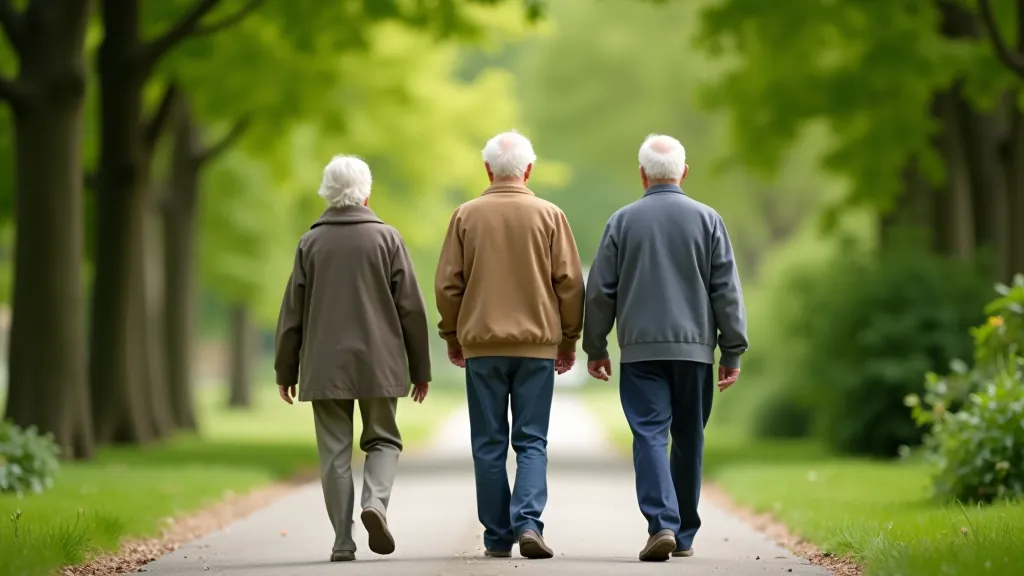
The groups that work best aren't the ones where everyone's perfectly matched. They're the ones where people look out for each other. If someone's falling behind, the group slows down. If someone needs to sit for five minutes, everyone sits. No one's timing anyone else. No one's judging.
We've learned to be upfront about pace from the start. Instead of saying "we're doing a leisurely walk," we say something like: "We'll walk at a conversational pace — you should be able to talk while you're moving. If you can't, we'll slow down. If you need a break, just let us know." That takes the pressure off immediately. People relax and just enjoy the walk.
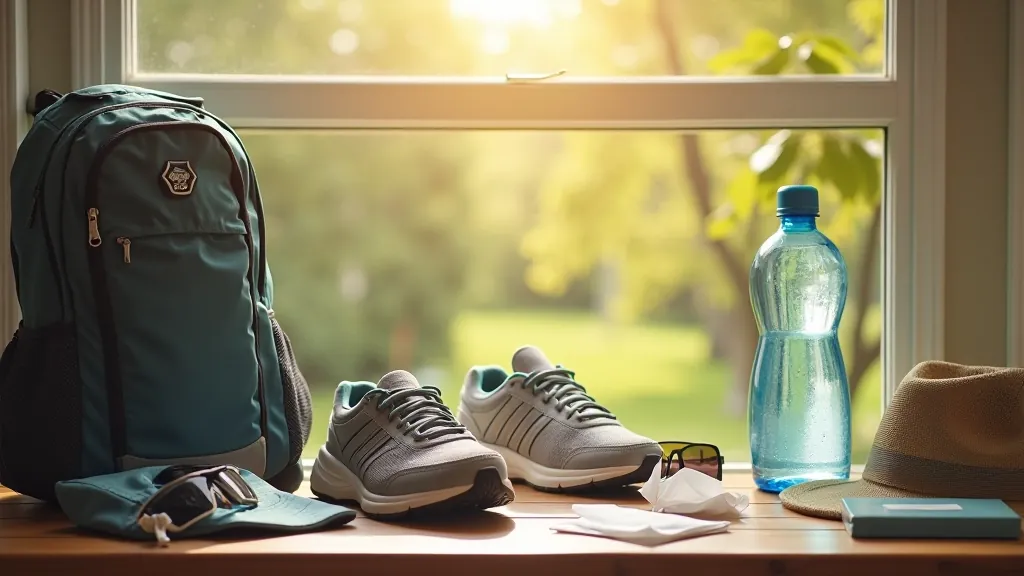
You don't need much, but you need the right things. Water — always water. A small bottle is fine, not something that weighs you down. Comfortable shoes you've already broken in, not new ones you're testing out. A light jacket or sweater you can tie around your waist if you warm up.
Tell your group what to bring ahead of time. "Wear something comfortable, bring water, and wear shoes you've walked in before." That's it. No complicated gear lists. People overthink it. They show up with hiking boots and technical backpacks when they could've just worn their regular sneakers and brought a water bottle.
The evening before, check the weather. If it's going to rain, give people a heads-up. You might still walk — a little rain doesn't hurt anyone — but people like knowing what to expect. If it's genuinely bad weather, it's okay to reschedule. Your group will understand. Better to push it a week than have people slipping on wet paths or getting miserable.
The walking part is the framework, but the friendship is the whole point. That's why groups that end with coffee or tea tend to stick together. You're not just walking and leaving — you're walking and then sitting down to actually talk.
Some groups rotate who suggests the route. Some pick a theme — "this week we're exploring the area near the National Museum." Some people take photos along the way and share them later. Small touches like these make the walk feel like more than just exercise. It becomes something people anticipate.
Don't be afraid to keep it simple though. Sometimes the best part is just being outside with people you like, moving at a pace that feels good, and not having to think about anything complicated. You don't need special activities or elaborate planning. You just need consistency. Same time, same place, same friendly faces — that's enough to make people want to show up.
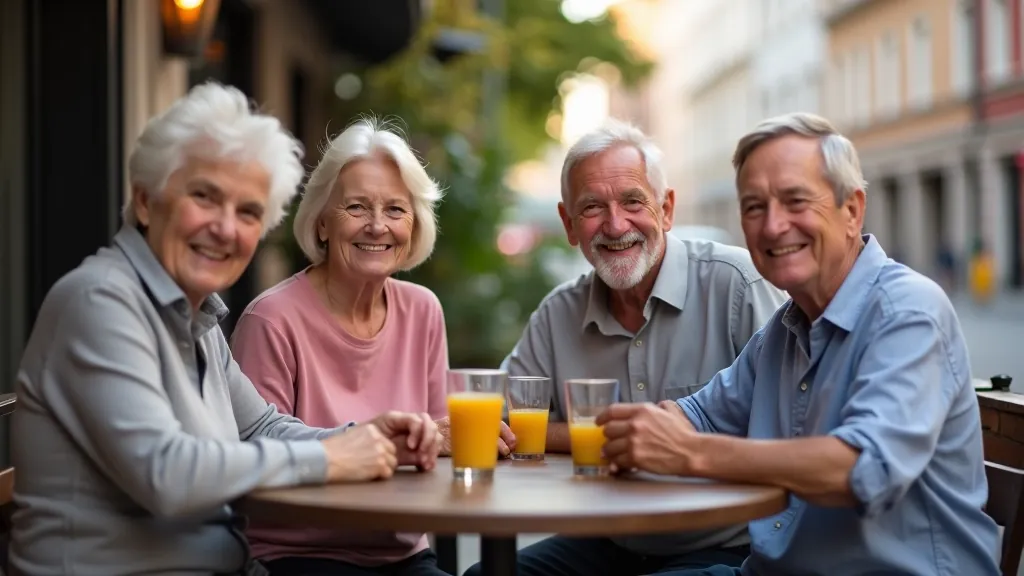
Walking with friends isn't complicated, and it doesn't require perfect conditions or perfect planning. It just requires showing up, choosing a route you know, and inviting people along. Start small — maybe it's just two of you. Tell a friend you're thinking about doing regular walks and ask if they'd like to join. One walk becomes two becomes a weekly habit.
The groups that last are the ones where everyone feels comfortable. Where pace doesn't matter. Where showing up is what counts. Build that, and you've got something special — a reason to get out of the house, move your body, and spend time with people who make you smile.